Once your dog understands where their body is, the next step is learning how to control it.
That’s where balance and coordination come in.
For Australian Shepherds, this training unlocks smoother movement, better control, and the ability to handle more advanced agility obstacles with confidence.
What Is Balance & Coordination?
Balance is your dog’s ability to stay stable—whether standing still or moving.
Coordination is how well they control their body while in motion.
Together, these skills allow your dog to:
- Move confidently across obstacles
- Adjust to changing surfaces
- Stay steady even when things feel uncertain
Why It Matters
Balance and coordination are essential for:
- Agility obstacles (dog walk, A-frame, teeter)
- Injury prevention
- Confidence on uneven or moving surfaces
- Controlled, athletic movement
Dogs with good balance don’t just move—they move intentionally.
What You Can Use at Home
You don’t need special equipment:
- Balance discs or wobble boards
- Cushions or pillows
- Low platforms or boards
- Uneven outdoor surfaces
Start simple and build gradually.
Step-by-Step: Teaching Balance & Coordination
Step 1: Start with a Stable Platform

Build a strong base.
- Use a flat, stable surface
- Encourage all four paws on
- Reward stillness
Step 2: Introduce Slight Instability
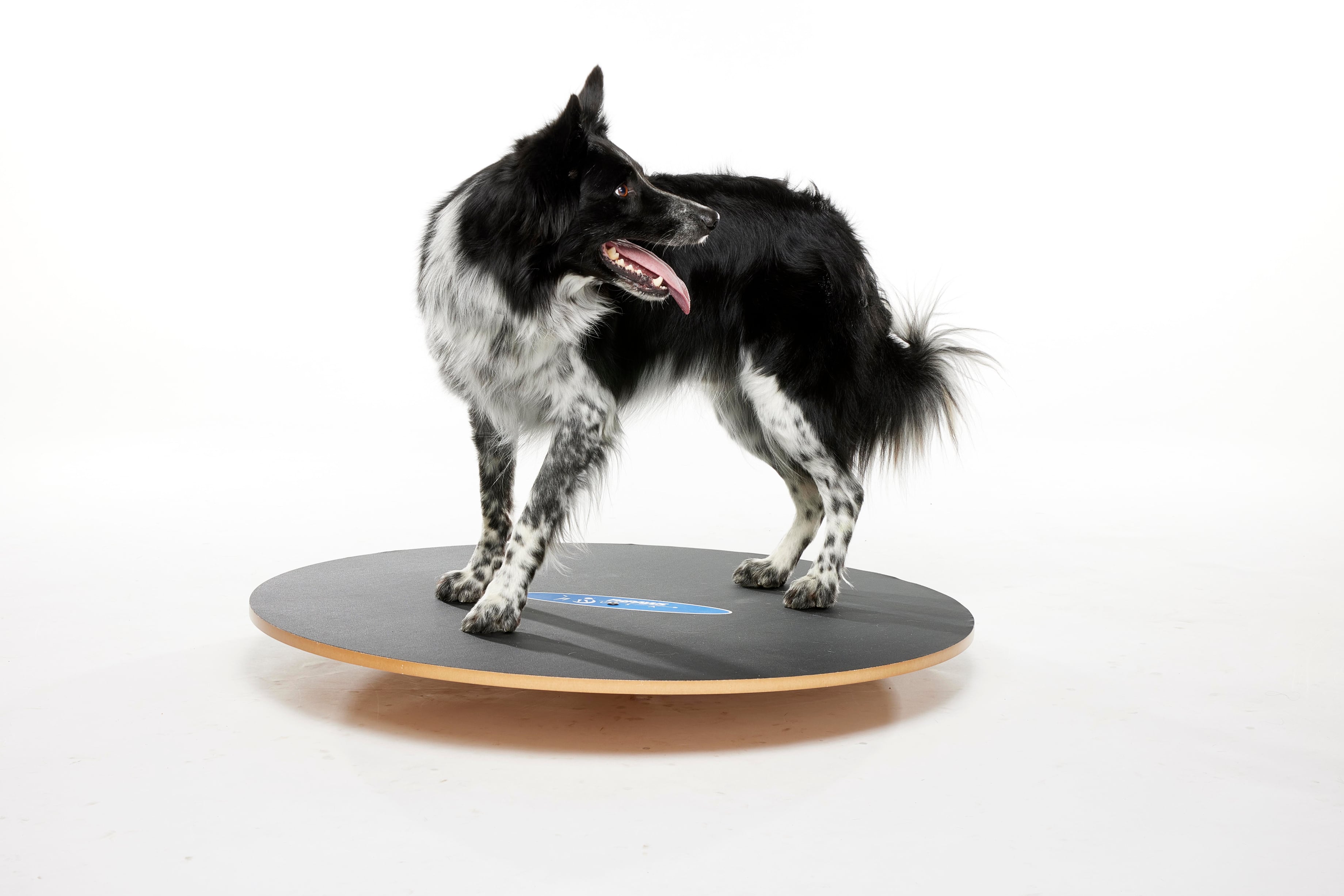
Add a small challenge.
- Use a cushion or balance disc
- Let your dog adjust naturally
- Keep it positive
Step 3: Encourage Controlled Movement

Add motion.
- Guide slow walking
- Reward careful steps
- Focus on control
Step 4: Use Uneven Surfaces

Challenge stability.
- Introduce natural terrain
- Let your dog explore
- Reward confidence
Step 5: Add Direction Changes

Build coordination.
- Practice turns and pivots
- Use a platform or small space
- Reward controlled movement
Step 6: Combine Skills
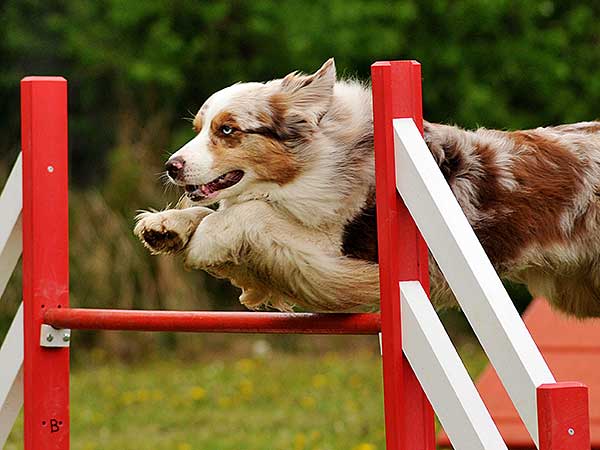
Put it together.
- Create a small course
- Mix surfaces and movements
- Keep it fun
Tips for Success
Go slow
Balance improves with control, not speed.
Reward effort
Small improvements matter.
Keep sessions short
This is mentally and physically tiring.
Build gradually
Confidence always comes first.
Common Mistakes to Avoid
Moving too quickly to unstable surfaces
Start stable first.
Encouraging rushing
This reduces coordination.
Overcomplicating setups
Simple is more effective.
Why Aussies Excel at This
Australian Shepherds naturally have:
- Athletic ability
- Strong work drive
- Quick learning
When you develop balance and coordination, you create a dog that moves with precision and confidence.
Final Thoughts
Balance and coordination turn movement into skill.
They help your dog:
- Stay steady
- Move with purpose
- Handle new challenges with confidence
And they set the stage for everything that comes next.
🐾 Related Reading
Building Confidence in Your Dog
Rules, Boundaries, and Limitations
Dog Barking: Practical Tips for Dog Owners
Understanding Your Dog’s Body Language
Understanding Puppy Exercise
The Power of Clicker Training
🐾 Ready to Find Your Match?
If you’re considering an Australian Shepherd puppy and want guidance through the process:
👉 Learn more here:
How to Get My Puppy
👉 View current puppies:
Available Puppies