INTRO
Many people wonder whether they can train their own service dog instead of receiving a fully trained dog from a program.
The honest answer is yes—owner training is possible for some individuals.
However, service dog training is often much more involved than people initially expect. Success depends not only on training, but also on choosing a dog with the right temperament, stability, motivation, and ability to handle the demands of everyday public life.
OWNER TRAINING TAKES TIME
Training a service dog is not something completed in a few weeks or months.
It often requires:
• daily consistency
• structured exposure
• ongoing socialization
• public access training
• advanced obedience
• task training
Many owner-trained service dogs continue developing well into adolescence and early adulthood.
TEMPERAMENT MATTERS A LOT
One of the biggest misconceptions is that any dog can become a service dog with enough training.
In reality, temperament plays a huge role in long-term success.
Traits that often support service work include:
• confidence
• recovery
• human focus
• adaptability
• motivation
• lower reactivity
Without these foundational traits, service work may become much more difficult for both the dog and handler.
PUBLIC ACCESS CAN BE CHALLENGING
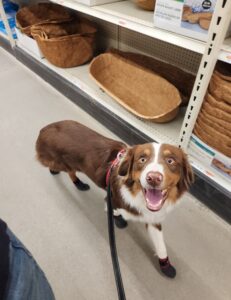
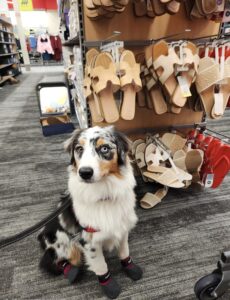
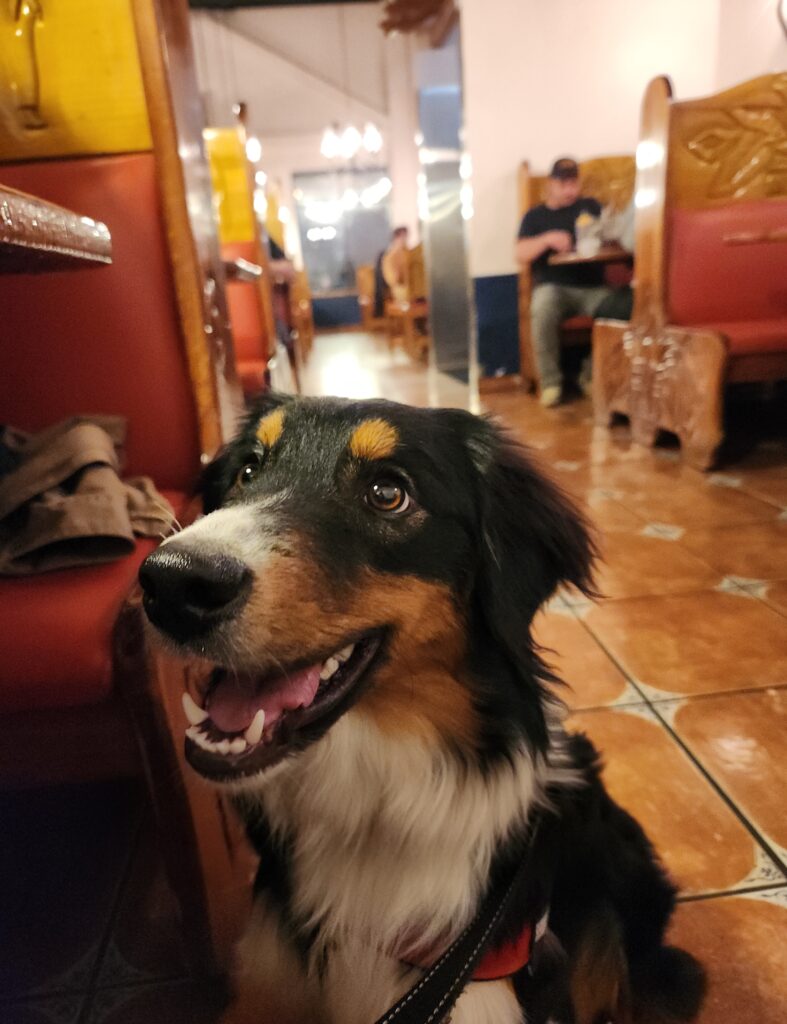
Service dogs must learn to remain calm and neutral in a wide variety of environments.
This may include:
• stores
• restaurants
• medical settings
• crowds
• noise
• movement
• unexpected distractions
Many dogs struggle with the environmental pressure involved in public access work, even if they perform well at home.
TRAINING IS MORE THAN TASKS
Task training is only one part of service dog development.
Dogs must also learn:
• neutrality around distractions
• emotional stability
• leash skills
• public manners
• confidence in new environments
• how to settle calmly for long periods of time
A dog who knows tasks but cannot comfortably function in public may still struggle with service work overall.
SOME DOGS MAY NOT SUCCEED
Even with thoughtful training and strong effort, not every dog will successfully complete service work.
Dogs may struggle with:
• overstimulation
• recovery
• sound sensitivity
• environmental stress
• public pressure
This is why choosing the right candidate early is so important.
PROFESSIONAL GUIDANCE CAN HELP
Many owner trainers benefit from working with experienced trainers, breeders, or evaluators who understand service dog development and temperament.
Guidance can help identify:
• strengths
• sensitivities
• training challenges
• suitability for service work
Early support often creates a stronger foundation and clearer expectations moving forward.
THE MATCH DOT PUP APPROACH
At Match Dot Pup, we place a strong emphasis on temperament, early development, and thoughtful evaluation when identifying potential service dog candidates.
From an early age, puppies are introduced to a variety of sounds, surfaces, environments, handling experiences, and socialization opportunities designed to help build confidence and adaptability. We carefully observe traits such as recovery, motivation, human focus, sensitivity levels, and willingness to engage as puppies continue to develop.
Our goal is to help create strong foundations that support long-term success for both the dog and their future handler.
FINAL THOUGHTS
Training your own service dog can be incredibly rewarding, but it also requires time, consistency, realistic expectations, and the right dog.
Successful service work is often built upon thoughtful temperament evaluation, strong foundational traits, continued exposure, and ongoing training over time.
Choosing the right candidate from the beginning can make a tremendous difference in the overall journey.
🐾 Ready to Learn More?
👉 Learn more about our Service Dog Program:
Service Dog Program
👉 See how candidates are developed:
Service Dog Training & Outcomes
🐾 Related Reading
How to Tell if a Puppy Has Service Dog Potential
Public Access Training Explained
Why Confidence Matters in Service Dog Training
Why Most Puppies Fail Service Dog Training
Service Dog Training Timeline: What to Expect Year 1